I have.
I didn’t mean to.
It’s a cute little hamlet of 400 tucked up among thousands of acres of Forest Service and BLM lands along the Lake Fork of the Gunnison River, which is why I was actually there. I hate burning spots- not everywhere needs the attention of the South Platte or the Miracle Mile, where hundreds of anglers may tool around during peak season, combat fishing and measuring dicks. I’m talking about Lake Fork, and Lake City, in service of a cause.
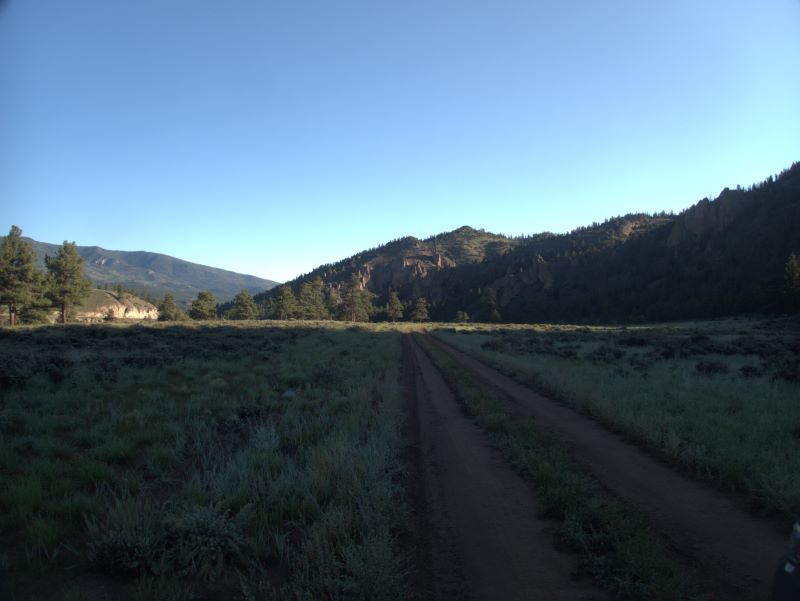
I followed weathered signs and a faint two-track early one dewy morning to the trailhead, rigged up, and scrambled down into the canyon. It was a pretty river, fast in places, and I missed two little browns before the sole of my right wading boot departed downstream. I grabbed it, stuffed it in my pack, and made do- until the left sole pulled off crossing a muddy backwater. I sat in the grass, my neoprene booties poking out of my wading boots, and meditated on the concept of planned obsolescence.
I want to say Lake City is or was the highest county seat in the country. I feel like I read it on a plaque or a brochure as I ambled around town, waiting for either of the town’s two flyshops to open. The story of Lake City has played out over and over throughout the west- founded in the late 19th century to extract timber and minerals, it boomed and fizzled within fifty years. By the 1970 census, the town’s population was double-digits. Today it’s a cute, clean little western town boasting bike shops and raft rentals, climbing companies and trail guides, guides and outfitters and fly shops but also gas stations and garages and contractors and farm stores- the places that keep rural communities running, day in and day out.
Dan’s had size twelves- more than I wanted to spend, but I was a couple days into a weeklong trip, and they’d put me back on the water. I bought them, a spool of tippet, some Joe’s Hoppers hand-tied by the ladies in town. I didn’t rent a cabin, or book a guided trip, or eat at a local restaurant, but I did stop in and drop a couple hundred bucks- and I was only there because of the area’s abundant, publicly accessible lands.
The West is dotted with rural communities using recreation and tourism to buoy local economies. Mom and Pop guides and outfitters, flyshops, cabins compete with multinational conglomerates putting up cardboard resorts, staffed by folks from somewhere else, extracting money from tourism the way robber barons extracted timber and metals a hundred and fifty years ago. The potential sale of public lands, working its way through Congress right now, doesn’t just threaten wild spaces or angling access- it threatens the economic viability of rural communities throughout the west.
Groups like Trout Unlimited, The Wilderness Society, and Backcountry Hunters and Anglers are just some of the organizations mobilizing constituents to speak out against the potential loss of these lands. You should, too. The Wilderness Society has put together an interactive map showing what’s at stake- see what’s at stake. Find the place you love. Find the place you might fall in love with this summer, or next, or ten years down the road.
Then, fight for it.
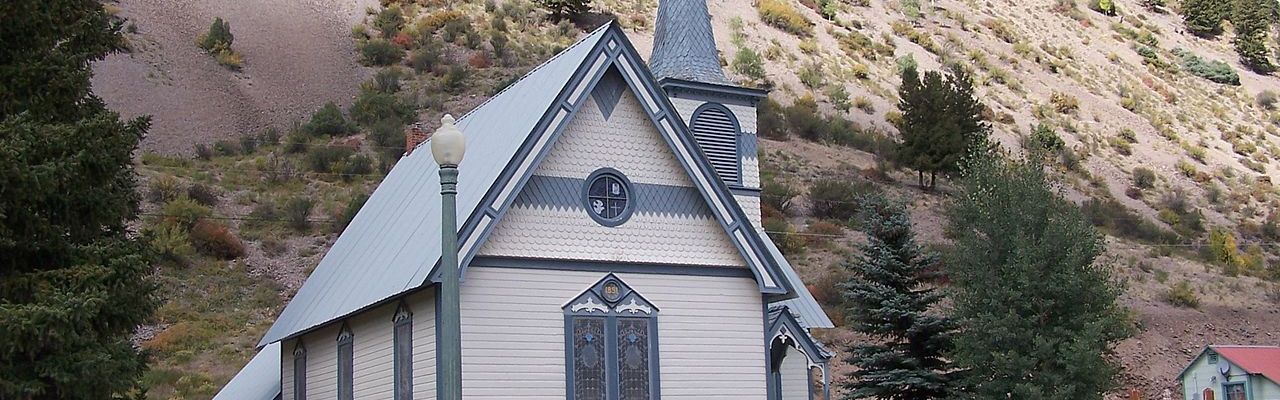
Post image by Tim Engleman from Saxonburg, PA, courtesy Wikipedia.org – lots of gingerbread for baptistsUploaded by PDTillman, CC BY-SA 2.0, Link
 theoutsidebend.com